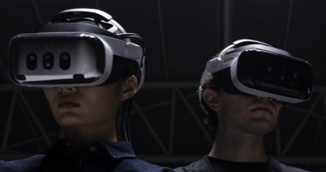
The integration of Virtual Reality (VR) and Augmented Reality (AR) technologies into the Sociology Computer Lab will support learning modules in social behavior, urban studies, inequality, cultural diversity and human interaction. The technologies will provide students with deeper understanding and more interactive insights (American College of Education, 2023). It will transform otherwise abstract sociological concepts into immersive, experiential learning opportunities (Chen et al., 2022). Virtual and Augmented Reality can recreate historical events and simulate living conditions in different societies. They can also immerse students in the perspective of marginalized groups (Stelter & Kim, 2023).
Implementation Plan
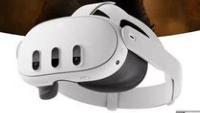
The proposed technological upgrade to the lab will entail acquiring at least 10 mixed reality headsets such as Meta Quest 3, or Oculus All in one VR headsets, AR-compatible tablets, and two dedicated workstations for VR content development and analysis. These products can be easily acquired through popular retail outlets like Amazon.com, and Walmart. It would also be necessary to subscribe to Educational VR platforms that feature sociological relevant scenarios such as urban cityscapes for urban sociology or interactive simulations on race, gender, and class dynamics.
Budget & Timeline
The initial setup cost is estimated at $22,000. This amount covers hardware, software and training. The implementation of the technology can be completed within one semester, with pilot testing in selected courses. A detailed breakdown of the cost is as follows:
| Item | Unit Cost | Cost for all items |
| Meta Quest 3 512GB mixed reality experience. | $429.99 x 9 | $ 3,869.91 |
| Oculus VR/AR & Accessories | $469 x 9 | $ 4,221 |
| Lenovo Thinkstation P3 Workstation & monitor | $2,500 x 2 | $ 5,000 |
| Lenovo Legion tab. Gen 3 tablet | $449.99 x 9 | $ 4,049.91 |
| Training | $1,000 x 4 days | $ 4,000 |
| TOTAL COST | $21,140.82 |
References
Chen, C.-C., Chen, H.-R. Wang, T.-Y. (2022). Creative Situated Augmented Reality Learning for Astronomy Curricula. Educational Technology & Society, 25 (2), 148-162.
American College of Education. (2023). Virtual Reality and Augmented Reality. https://ace.instructure.com/courses/2017353/external_tools/118428
Stelter, A. K. & Kim, E. (2023). Looking Through the Virtual Glasses: Exploring Student Experience with Augmented Reality in Human Anatomy Courses. California Dental Hygienist Association Journal, 41(2).
 Educational Technology Resources
Leave a comment